Pro Steamer – Water Damage Restoration
  • Home
  • Restoration
    • Water Damage Restoration
    • Basement Water Removal Services
    • Mold Remediation
    • Mold Inspection
    • Fire and Smoke Damage
    • Smoke Odor Removal
    • Sewage Backup
    • Ceiling Leak Repair
    • Hurricane and Tornado Damage Restoration
  • Cleaning
    • Flood Cleanup
    • Carpet Cleaning
    • Upholstery and Mattresses
    • Tile and Grout Cleaning
    • Area Rugs
    • Air Ducts
    • Biohazard Cleanup
  • Locations
    • Acme, NM
    • Border Hill, NM
    • Caprock, NM
    • Dexter, NM
    • Elkins, NM
    • Greenfield, NM
    • Hagerman, NM
    • Kenna, NM
    • Lake Arthur, NM
    • Midway, NM
    • Roswell, NM
  • Gallery
  • Blogs
  • Testimonials
    • Reviews
  • Contact
menu
close

24/7 SERVICE

(575) 623-0993
Pro Steamer – Water Damage Restoration
  • Home
  • Restoration
    • Water Damage Restoration
    • Basement Water Removal Services
    • Mold Remediation
    • Mold Inspection
    • Fire and Smoke Damage
    • Smoke Odor Removal
    • Sewage Backup
    • Ceiling Leak Repair
    • Hurricane and Tornado Damage Restoration
  • Cleaning
    • Flood Cleanup
    • Carpet Cleaning
    • Upholstery and Mattresses
    • Tile and Grout Cleaning
    • Area Rugs
    • Air Ducts
    • Biohazard Cleanup
  • Locations
    • Acme, NM
    • Border Hill, NM
    • Caprock, NM
    • Dexter, NM
    • Elkins, NM
    • Greenfield, NM
    • Hagerman, NM
    • Kenna, NM
    • Lake Arthur, NM
    • Midway, NM
    • Roswell, NM
  • Gallery
  • Blogs
  • Testimonials
    • Reviews
  • Contact

24/7 SERVICE

(575) 623-0993
A man on the phone and woman in front of him
  • May 21, 2025
  • Comments Off on Water Leaking from Ceiling: Causes, Fixes, and Prevention
Water Damage Restoration

Water Leaking from Ceiling: Causes, Fixes, and Prevention

A water leak from the ceiling is one of the most stressful issues homeowners face. It can start with a slow drip or an unsightly stain and quickly escalate into serious structural damage, mold growth, and costly repairs. Left unaddressed, a small ceiling leak can damage insulation, rot wood framing, destroy drywall, and compromise electrical systems. Whether the water is coming from a broken pipe, a leaky roof, or an upstairs bathroom, you need to act fast. At Pro Steamer, we specialize in emergency water damage response and ceiling leak restoration. Understanding the causes and knowing what steps to take can help you minimize damage and protect your home.

Common Causes of Ceiling Water Leaks

Water leaking from the ceiling is typically a symptom of a deeper issue. In multi-story homes, the most common source is plumbing from an upstairs bathroom or laundry area. Leaking pipes, overflowing tubs, or failed toilet seals can cause water to drip down into the ceiling below. Roof leaks are another frequent culprit, especially after heavy rainfall or when shingles are damaged or missing. Water can seep through the roof underlayment and travel along beams before it finds a way through the ceiling. In some cases, attic condensation or malfunctioning HVAC systems may also be to blame. Poor ventilation in the attic can lead to moisture buildup that condenses and drips down. Clogged gutters and downspouts may also cause rainwater to back up under roof eaves, leading to leaks that eventually penetrate ceilings.

How to Identify a Ceiling Leak

Ceiling leaks usually announce themselves in the form of visible symptoms. These include dark or yellowish stains that grow over time, soft spots in the drywall, sagging areas, and peeling paint. You may also notice water dripping during or after a rainstorm or after running water-intensive appliances upstairs. If the leak is near a light fixture or ceiling fan, turn off electricity to that part of the house immediately. Water and electricity are a dangerous combination. In some cases, you may hear dripping sounds within the ceiling or smell a musty odor, which suggests mold development.

What to Do Immediately

When you see water leaking from your ceiling, your first priority is safety. Turn off power to the affected area and move any electronics or valuables out of harm’s way. If the leak is active, place a bucket or container under the drip and puncture a small hole in the sagging drywall to relieve water buildup and prevent a full collapse. Try to determine the source of the water if it’s safe. Shut off your main water supply if you suspect a pipe is the cause. If it’s a roof leak, wait for rain to stop before accessing the roof. Always prioritize safety and contact professionals immediately. At Pro Steamer, we provide 24/7 emergency service to address ceiling water leaks before they cause lasting damage.

How Pro Steamer Fixes Ceiling Leaks and Damage

Once we’re on-site, our team conducts a full inspection using moisture detection tools and infrared cameras to trace the water back to its origin. We identify whether the source is plumbing, roofing, HVAC, or structural, and then isolate the area. After stopping the water intrusion, we begin the drying process. Industrial-grade dehumidifiers and air movers are used to remove moisture from ceiling materials, joists, and insulation. If drywall is too damaged or moldy, it is removed and replaced. Our technicians sanitize all affected areas to prevent microbial growth. Once the space is dry and treated, we begin the restoration process, which includes replacing ceiling drywall, painting, and retexturing so that it blends perfectly with your existing ceiling.

Mold Risk and Why You Must Act Quickly

Time is a critical factor when it comes to ceiling leaks. Mold can begin to grow within 24 to 48 hours of water exposure. The porous materials in ceilings—like drywall and insulation—act like sponges, trapping moisture and creating the perfect environment for mold spores to spread. Mold in the ceiling not only poses health risks but also spreads quickly through ventilation systems. At Pro Steamer, we don’t just fix the leak—we eliminate moisture, mold, and any bacteria that can put your family at risk. Our certified mold remediation service ensures your ceiling is not only restored but safe.

When Should You Replace the Ceiling?

If the ceiling material is sagging, crumbling, or stained beyond repair, replacement is the only safe and aesthetic solution. Wet insulation that has lost its effectiveness should also be removed and replaced to prevent future energy inefficiency or mold development. Even if the ceiling appears intact, hidden moisture can continue to cause issues. That’s why our team uses advanced moisture meters to detect dampness beneath the surface. Our goal is to provide long-term restoration, not just surface-level fixes.

Preventing Future Ceiling Leaks

Once the immediate leak is handled, it’s important to take preventive steps. Schedule regular roof inspections, especially before and after the rainy season. Keep your gutters clean and in working condition to allow proper water drainage. If you live in a multi-story home, inspect plumbing fittings and appliances regularly. Install water leak detectors in high-risk areas like bathrooms, laundry rooms, and basements. Consider improving attic ventilation and insulating HVAC systems to reduce condensation. Pro Steamer also offers preventative maintenance services and consultations to help you identify risks before they become emergencies. With proactive care, ceiling leaks can often be prevented entirely.

Conclusion

Water leaking from your ceiling is a serious issue that demands immediate attention to prevent extensive damage and health risks. Whether caused by plumbing problems, roof damage, or attic condensation, timely identification and professional repair are essential to protect your home’s structure and your family’s safety. At Pro Steamer, we offer expert emergency response, thorough drying, mold remediation, and complete restoration services to ensure your ceiling is fully repaired and safe. Taking preventive measures afterward can help you avoid future leaks and costly repairs. Don’t wait—call Pro Steamer at (575) 623-0993 for fast, reliable, and comprehensive ceiling leak solutions.

Frequently Asked Questions (FAQs)

1. Why is water leaking from my ceiling after it rains?

This often points to a roof leak. Water may enter through damaged shingles or flashing and follow beams or wiring until it drips into your ceiling. It’s critical to address the roof damage and interior ceiling at the same time.

2. Can I patch a water-damaged ceiling myself?

While DIY patches may temporarily stop the drip, they don’t resolve the underlying issue. Moisture can remain trapped behind drywall and lead to mold. Professional inspection and repair are always recommended.

3. Is a ceiling leak covered by insurance?

Most homeowners’ insurance policies cover sudden and accidental water damage like a burst pipe or storm-related roof leak. Damage caused by long-term neglect may not be covered.

4. How dangerous is a ceiling leak?

Besides structural damage, ceiling leaks can affect electrical systems and promote mold growth. If the leak is near wiring or light fixtures, it can become a fire or shock hazard.

5. How do I know if the ceiling is about to collapse?

A sagging or bulging area is a sign of water accumulation. If it feels soft to the touch or you notice cracks forming, stay clear and call for emergency help.

6. What if the water is coming from my upstairs neighbor?

In multi-unit buildings, leaks may originate in an adjacent unit. Notify your building management and document the damage for insurance and liability purposes.

7. How long does it take to fix a ceiling leak?

Depending on the severity, repairs may take a few hours to several days. Pro Steamer works efficiently to stop the leak, dry the area, and complete full restoration.

8. Will mold always grow after a ceiling leak?

Not always, but the risk is high if moisture is not fully removed. Mold can grow in hidden areas and become a health hazard, which is why thorough drying and treatment are crucial.

9. Can attic condensation cause a ceiling leak?

Yes. Poor insulation or ventilation in attics can lead to condensation buildup, which eventually drips down and mimics a leak. Proper attic care can prevent this.

10. Who do I call first: a roofer, plumber, or restoration company?

Start with a restoration expert like Pro Steamer who can diagnose the cause and manage both the source and the damage. We coordinate with plumbers or roofers as needed and handle the entire restoration process.

Post navigation

  • Prev Post Handling Water-Damaged Walls and Ceilings
  • Next Post Emergency Water Removal: 5 Things to Do Before Calling a Professional

Related Post

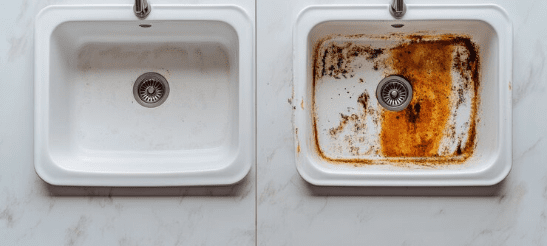
Mold Under the Kitchen Sink
  • June 12, 2025
  • Comments Off on Dealing With Mold Under the Kitchen Sink: Causes, Risks & Solutions

Mold
Dealing With Mold Under the Kitchen Sink: Causes, Risks & Solutions

Dealing With Mold Under the Kitchen Sink: Causes, Risks & Solutions One of the most common—and often overlooked—places where mold thrives is under the kitchen sink. Hidden from plain sight, this area is exposed to frequent moisture, leaky pipes, and poor ventilation—all […]

READ MORE
Black Mold vs. Regular Mold: Understanding the Differences
  • June 10, 2025
  • Comments Off on Black Mold vs. Regular Mold: Understanding the Differences
Mold
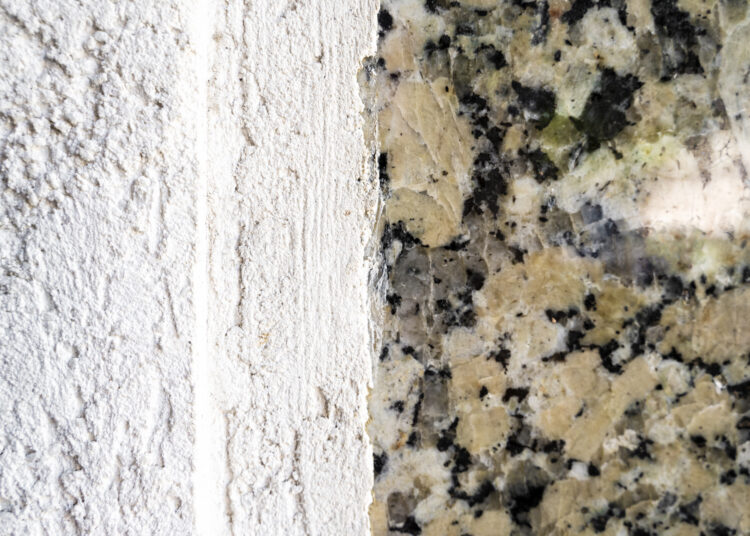
Black Mold vs. Regular Mold: Understanding the Differences

Black Mold vs. Regular Mold: Understanding the Differences Mold in any form is unwelcome in a home or business. It can affect air quality, cause damage to property, and pose serious health risks. But not all mold is created equal. One of […]
READ MORE
Categories
  • Air Duct Cleaning 7
  • Carpet Cleaning 21
  • Carpet Cleaning Services 1
  • Carpet Stain Cleaning 2
  • Fire Damage Restoration 5
  • Healthy Home 25
  • Mold 26
  • Pressure Washing 2
  • Remediation 7
  • Restoration 19

More CategoriesShow Less
Recent Post
  • Mold Under the Kitchen Sink
    Dealing With Mold Under the Kitchen Sink: Causes, Risks & Solutions
    12 - Jun - 2025

    Comments Off on Dealing With Mold Under the Kitchen Sink: Causes, Risks & Solutions

  • Black Mold vs. Regular Mold: Understanding the Differences
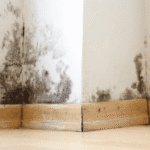
    Black Mold vs. Regular Mold: Understanding the Differences
    10 - Jun - 2025

    Comments Off on Black Mold vs. Regular Mold: Understanding the Differences

  • Drying & Dehumidification After Water Damage
    How Drying & Dehumidification Services Help Prevent Mold After Water Damage

    08 - Jun - 2025

    Comments Off on How Drying & Dehumidification Services Help Prevent Mold After Water Damage

  • How to remove musty odors after experiencing water damage
    How to remove musty odors after experiencing water damage
    05 - Jun - 2025

    Comments Off on How to remove musty odors after experiencing water damage

We respond to Emergencies 24/7 for Water, Fire/Smoke and Mold

Call Now: (575) 623-0993

Serving Roswell And Artesia New Mexico Since 1992, 24hr Water Damage, Restoration Emergency

311 S UNION AVENUE, ROSWELL, NM 88203

Restoration
  • Water Damage Restoration
  • Fire and Smoke Damage Restoration
  • Mold Inspection
  • Mold Remediation
  • Sewage Backup
  • Smoke Odor Removal
Cleaning
  • Flood Cleanup
  • Carpet Cleaning
  • Air Ducts
  • Area Rugs
  • Tile and Grout Cleaning
  • Upholstery and Mattresses
QUICK LINKS
  • Home
  • About us
  • Blogs
  • Contact Us
  • FAQ
  • Gallery
  • Reviews
  • Terms And Conditions
  • Testimonials

Follow us

Facebook Twitter Youtube Instagram Yelp

COPYRIGHT © 2025 PRO STEAMER - ALL RIGHTS RESERVED.

Call Now (575) 623-0993